


Itadakimasu and Gochisōsamadeshita - The Mindful Moments of a Meal
In Japan, every meal begins and ends with two humble phrases: itadakimasu and gochisousamadeshita. Without them, something feels incomplete. Both carry a deep meaning. They turn eating from something routine into something mindful—a ritual where gratitude and respect are brought into focus.
Itadakimasu
Itadakimasu is spoken before eating—a moment of pause to receive. It expresses gratitude not just for the food on the table, but for everything behind it: the soil, the rain, the farmers, the life that was given, and the hands that prepared it. Your awareness stretches further—to all those who, in ways seen and unseen, made this moment possible: even the emperor, your parents, and countless others whose efforts affect your life. This is why, unlike “bon appétit,” it is said not only when sharing a meal with others but also when eating alone.

The meaning behind the words
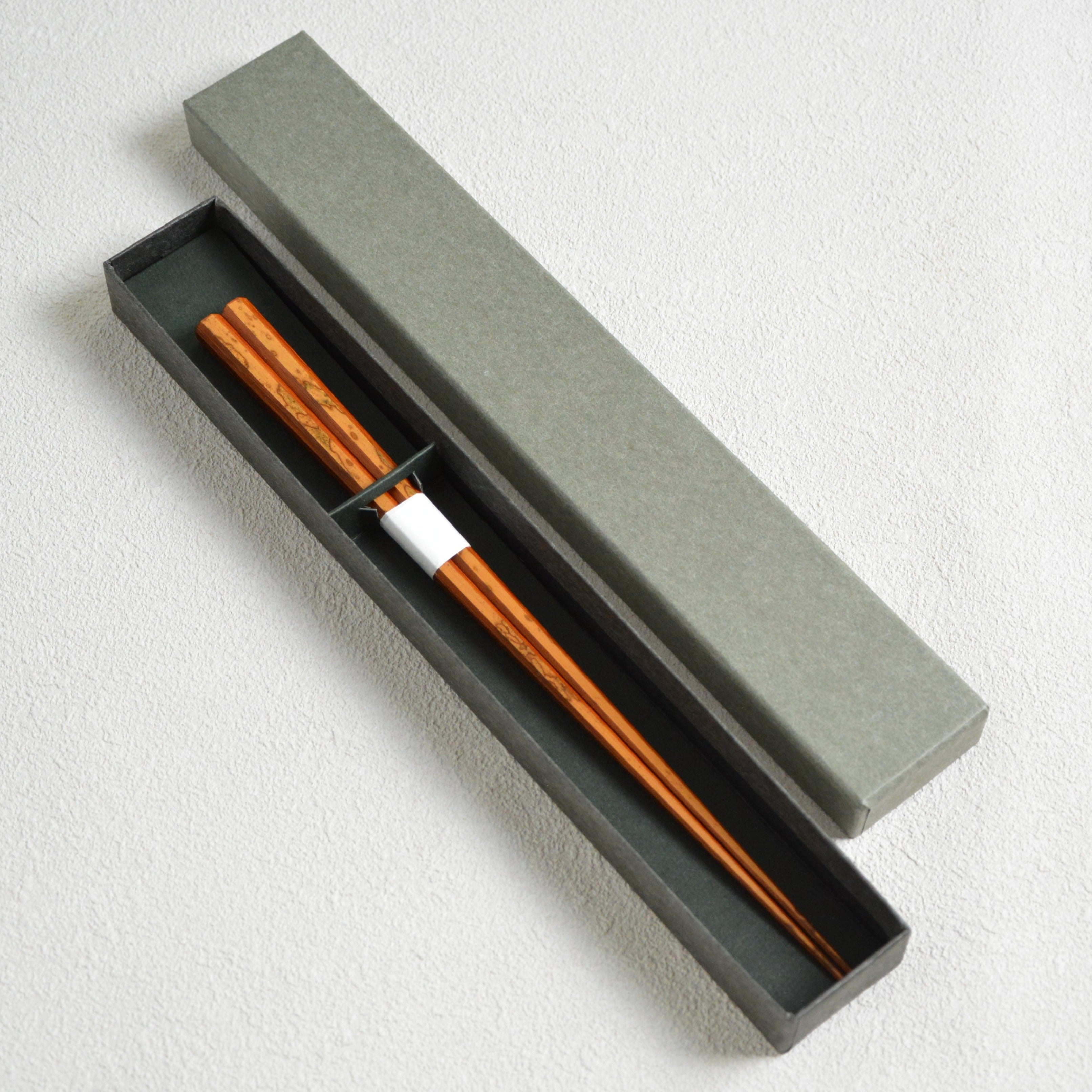
When said before a meal, itadakimasu is often accompanied by clasped hands and a small bow. Typically, we lift our chopsticks, hold them between our clasped hands, and bow slightly. The gesture closely resembles the way people pray at Shinto shrines and Buddhist temples. It harks back to an earlier time, when itadaku was only used in special moments—eating in the presence of a god or someone of higher status. The food itself would be lifted to the head or forehead, turning the simple act of eating into one of reverence. The phrase carries a deeper meaning: gratitude for the life that was sacrificed as food, and an acknowledgment of “receiving life” itself. It reflects an older, animistic way of seeing the world—where nature is not something to control, but a living presence, equal to us, and worthy of respect.
The word itadakimasu comes from itadaku, a humble form of “morau,” meaning “to receive.” Originally, itadaku simply meant to place something on one’s head. Over time, it came to mean “to receive” or “to accept,” as if lifting a gift high with humility and gratitude. Even today in Japan, when receiving a gift, people often bow slightly while raising it close to their forehead—a gesture of respect.
From Past Rituals to Daily Practice of Mindfulness

In many households, offerings were once made to gods and Buddhas before meals. Somewhere along this path, itadakimasu began to take shape as a phrase spoken before eating—likely around the 19th century. The earliest known documentation comes from 1812, in an etiquette book called Kōkō Michibiki Gusa. One passage reads:
"When taking up my chopsticks, I shall savor the blessings of heaven, earth, and this peaceful reign, as well as the kindness of my master and my parents."
The text encourages a simple but profound pause before eating—a moment to honor and appreciate all that surrounds us: nature, animals, the emperor, and our parents. When the book was released to the public and popularized during the Shōwa period, saying itadakimasu before meals was strongly encouraged by Buddhism. Over time, this practice became a part of everyday life, shaping the cultural significance of the phrase that endures in Japan today.
When to Use Itadakimasu
This one is simple: every time, before any meal.
Itadakimasu is a tribute to all the effort behind the food in front of you. Whether you’re at home, in a restaurant, eating alone, enjoying something you prepared yourself, or sitting as a guest at a friend’s table—it always has its place. Taking that brief moment to pause and express gratitude is both good manners and a meaningful gesture.
There’s no need for eye contact. The focus is on the meal itself. Usually, it’s said with a small bow, attention directed toward the food.

Gochisōsama deshita
After finishing a meal, people in Japan say gochisōsamadeshita—a phrase that means “thank you for the meal.” But just like itadakimasu, it carries more than it seems.
The meaning behind the words
It’s said to express gratitude not only for the food itself, but for everyone behind it—the person who prepared it, the one who cooked it, and those who served it. Whether at home, at a friend’s table, or in a restaurant, it acknowledges the care and generosity that made the meal possible. It’s more than a casual “that was good.” It’s a recognition of effort.
To understand the weight of this expression, we have to look back at its origins. The “chisō” (馳走)
The origin of the phrase
Gochisōsama comes from an old Chinese expression meaning “to run about on horseback.” Long ago, preparing a meal for an honored guest was no simple task. There were no nearby shops or modern conveniences. People had to travel far and wide—often on horseback—to hunt, fish, or gather ingredients.

Without refrigeration or preservation, they climbed mountain paths in search of wild vegetables and herbs, and crossed steep passes carrying the prey and the heavy produce. Gathering each ingredient required real physical effort.
From this image of motion and labor, chisō came to mean “hospitality” in Japan. With the addition of the honorific “go,” gochisō evolved to describe a meal prepared with care for a guest. In a way, when you say gochisōsama, you are acknowledging that someone truly “went out of their way” for you. Gochisōsamadeshita is the past tense of the word.
So when we say gochisōsamadeshita today, we are doing more than thanking for the food. We are recognizing the effort, the care, and the journey behind it.
When to say gochisōsamadeshita
Gochisōsamadeshita is said anytime after eating, whether you’re at home, in a restaurant, or a guest at someone’s table. It’s a way of closing the meal with gratitude—not just for the taste, but for everything and everyone that made it possible.
If you’re dining with others, it’s often said together, or just before leaving the table. Even when eating alone, it still holds meaning—a small, personal moment to acknowledge the meal you’ve just received.
Like itadakimasu, it doesn’t require eye contact. But you can turn toward the host or cook and say it directly to them after paying, just before stepping out.
In the end, these two simple phrases framing a meal stand for moments of awareness. A pause to receive, and a pause to give thanks. In a world that moves quickly, they remind us to slow down—even if just for a few seconds—and to recognize the many hands, lives, and moments that come together in something as simple as a meal.


Leave a comment