



A Guide to Japanese Rice: Types, Milling & How to Choose from Them
Japanese Rice: Understanding the Differences between the Types
When we talk about Japanese rice, we usually picture soft, white, slightly sticky grains. But white rice is only one point on a spectrum. The difference comes down largely to how much of the outer layer of the grain is removed during milling. The less the rice is milled, the more bran and germ it retains, giving it a stronger flavor, firmer texture, and more nutrients.
Here are the main types of rice you are likely to encounter in Japan.
White Rice
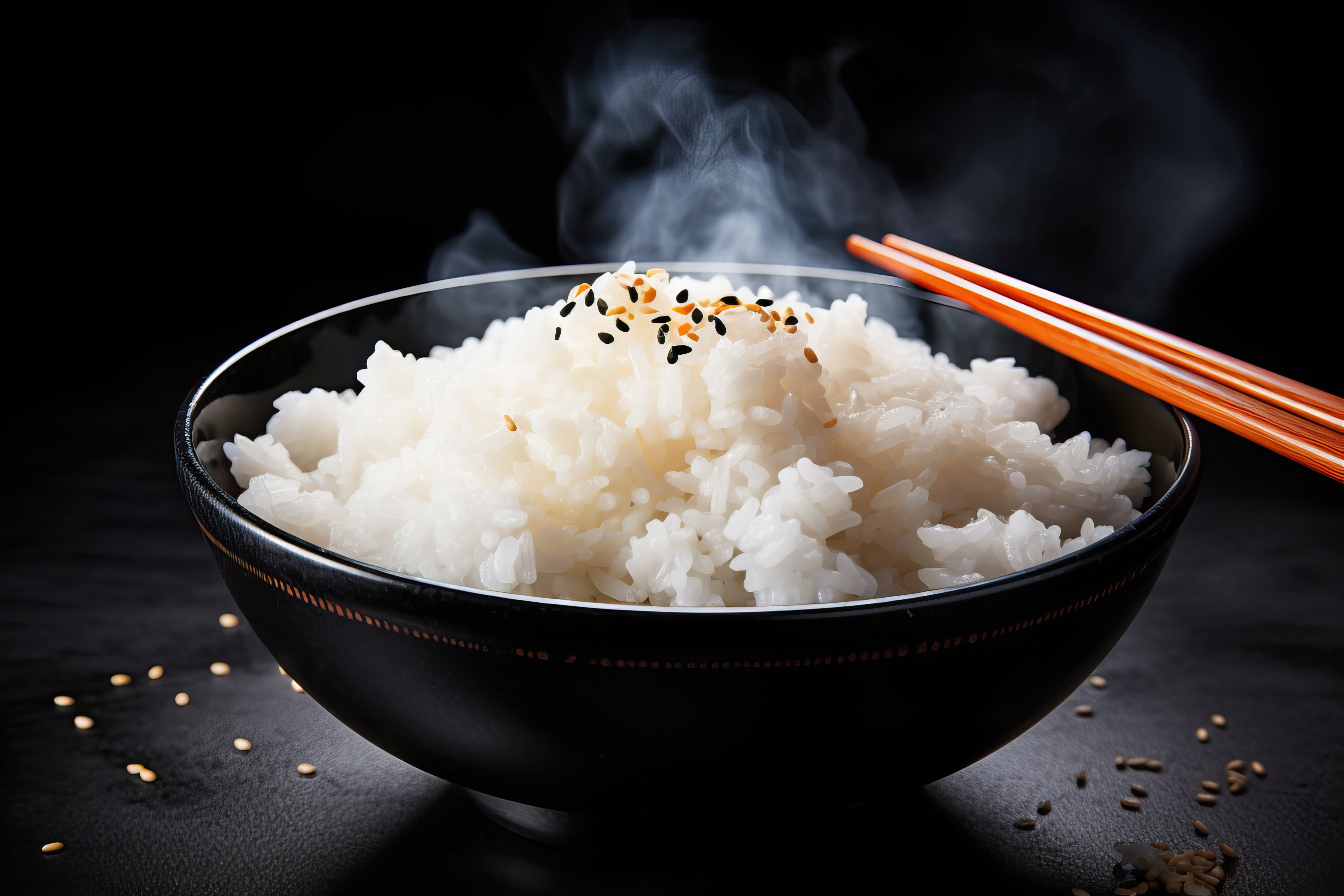
White rice is the most commonly eaten type of rice in Japan. It is made by removing the bran and germ from brown rice, leaving the polished white grain. It is typically polished to around 90–92%, meaning that approximately 8–10% of the outer layer has been removed.

White rice is known for its:
- Soft, tender texture
- Mild aroma and flavor
- Natural sweetness
- Pleasant stickiness
- Quick and easy cooking
Because most of the bran has been removed, white rice is also easier to digest than less-milled varieties. The trade-off is that some dietary fiber, vitamins, and minerals are lost during milling. For everyday Japanese meals, however, its clean flavor and soft texture make it exceptionally popular.
Partially Milled Rice: A Middle Ground
Partially milled rice sits between brown rice and white rice.
Instead of removing the entire bran layer, only part of it is milled away. In Japan, it is commonly described as 3-bu, 5-bu, or 7-bu rice (sanbu-zuki, gobu-zuki, and shichibu-zuki). The number indicates approximately how much of the bran layer has been removed:

- 7-bu rice: about 70% milled - in stock
- 5-bu rice: about 50% milled - in stock
- 3-bu rice: about 30% milled

Partially milled rice is known for its:
- Firmness and chewiness between white and brown rice
- Balanced flavor: mellow but with a mild nutty character
- Richer in dietary fiber than white rice
- Retain more B vitamins, vitamin E, iron, and magnesium than white rice
- Easy preparation
Partially milled rice has a slightly more pronounced texture and nutty aroma than white rice, which makes it particularly good in dishes where the rice is an important part of the meal.
Brown Rice

Brown rice is rice with only the outer husk removed. The bran layer and germ remain intact, giving the grain its characteristic brown color and firmer texture. Since these layers are retained, brown rice contains more dietary fiber and naturally occurring nutrients. While it is even richer in fiber and nutrients, because of its strong, characteristic flavor and firm texture, it rarely appears in Japanese meals.
Which Rice Should You Choose?

White rice has a clean flavor, soft texture, and gentle sweetness, making it the most versatile choice. It works especially well with delicate Japanese dishes where you want the rice to complement rather than compete with the food.
Partially milled rice is ideal for hearty Japanese meals like grilled fish, Japanese stews and fried rices. It adds a little more texture and nuttiness without overwhelming the meal.
Brown rice is good paired with strongly flavored and richly seasoned dishes such as curry, grilled meat, and other robustly flavored foods.
In Riceye, we are offering rice types that are the most well-suited for Japanese dishes: white rice, 5-bu, and 7-bu partially milled rice.
Check out our rice portfolio HERE!

Preparing different rice types
In Japan, they say if you get three things right, you can always cook rice successfully. These three steps are important whichever rice type we choose. What are these steps? Washing. Soaking. Water used for cooking. Each rice types require a slightly different approach.
White rice
Japanese white rice has already been milled to remove the outer bran layer, but a small amount of rice bran can remain on the surface. Washing helps remove this, along with any dust or impurities.
1. STEP - Wash

The key is to wash the rice gently and quickly. There is no need to scrub the grains vigorously.
- Place the rice in a bowl and add plenty of water. Gently swirl the rice with your hand, then drain the water immediately.
- Add fresh water and gently wash the rice again.
- Drain and repeat 2–3 more times, until the water becomes clearer. (The water does not need to become completely clear. A little cloudiness is perfectly normal.)
2. STEP - Soak

Once the rice has been washed, soaking is an important step. It allows water to gradually reach the center of each grain before cooking. For most Japanese white rice, soak for about 30 minutes before cooking. In winter, when the water is colder, soaking for around 1 hour is recommended. The rice is ready to cook when the grains have absorbed water and look opaque rather than translucent. Good soaking helps the rice cook evenly from the outside to the center, giving you soft, fluffy grains with a pleasant texture.
3. STEP - Cook
Rice-water ratio is crucial.
If you have a rice cooker, this part is easy. Japanese rice cookers are designed around the traditional go measuring system: simply measure the rice, then add water to the corresponding go level marked inside the cooker. For most Japanese dishes, rice is best when it is slightly firm and each grain retains its shape. If you prefer this texture, add a little less water than the indicated line.
If you don’t have a rice cooker, for white rice, a good starting point is 180 ml (6.1 US fl oz or 0.75 US cup) of water for 1 go (150 g / 5.3 oz) of rice. Cook in medium heat until the rice reaches the desired firmness.

Partially Milled Rice
Luckily, unlike brown rice, partially milled rice does not require a significantly longer preparation or cooking time.

1. STEP - Wash
- Place the rice in a bowl and add plenty of water. Gently swirl the rice with your hand, then drain the water immediately.
- Add fresh water and gently wash the rice again.
- Drain and repeat 2–3 more times, until the water becomes clearer.
2. STEP - Soak

Before cooking, soak it slightly longer than white rice, about 1 hour. Partially milled rice still retains some of its bran and germ, which makes it harder for water to penetrate the grain. A longer soaking time allows the water to reach the center before cooking, helping the rice cook evenly and become tender while retaining its characteristic firm texture.
Here, if we add a pinch of salt, it will make the rice fluffier.
3. STEP - Cook
If we prepare it in a rice cooker, we need to use about the same amount of water or just a little more than for white rice.
If you don’t have a rice cooker, for partially milled rice, use 200 ml (6.8 US fl oz, or 0.85 US cup) of water for 1 go (150 g / 5.3 oz) of rice. Cook over medium heat until the rice reaches the desired firmness


Petara Kuro Gohan Nabe great choice for cooking any type of rice. This handmade Bankoyaki earthenware rice cooker is designed to bring out the best in your rice in about 25 minutes, without burning the bottom.
☞ $48.40 / piece
Pair your rice well!
White rice
White rice is perfect paired with delicate, and often raw dishes. It can be raw or slightly grilled fish on top like in sushi or raw vegetables rolled in like in traditional rolled maki.


Nihonbare from Shiga Prefecture. It has relatively low stickiness, moderate firmness, and a pleasant bite. In Kyoto and Shiga, Nihonbare is widely favored for sushi rice.
☞ $4.62 / 450 g / 3 go
Japanese people rarely prepare sushi at home but there is a meal almost everyone loves in Japan: oyakodon, an ultimate comfort food in Japanese homes.

How to make Oyakodon (Chicken and Egg Rice Bowl)
Ingredients - for 4 people
- 400 g chicken breast or boneless chicken thighs
- 8 eggs
- 2 small onions
- Mirin: 280 ml (9.5 US fl oz / 1.18 US cups)
- Soy sauce: 120 ml (4.1 US fl oz / ½ US cup)
- Dashi stock: 80 ml (2.7 US fl oz / ⅓ US cup)
- 1 tsp sugar
- 1 1/2 cup cooked rice to serve
- green onion, sesame oil, nori and/or togarashi optional, for topping
How to prepare
- In a pot or a fry pan, mix the mirin, soy sauce, dashi stock and sugar and start heating them up on medium fire
- Slice the onions and shimmer in the sauce for a minute.
- While the onion cooks, cut the chicken into bite-sized pieces.
- Put the chicken into the pot and cook until it turns white.
- Beat the eggs and pour them over the chicken. Cook until the egg is partially set.
Pour over rice and serve!

Serve oyakodon with Koshihikari, the most famous and widely cultivated rice in Japan.
☞ $4.95 / 450 g / 3 go
Partially milled rice
7-bu or 70% milled rice is great for rice-based main dishes such as chahan (fried rice), which has become a popular home both at home and in restaurants in Japan.

How to make Chahan (Fried Rice)
Ingredients - for 4 people
- 600 g cooked rice, preferably cold/day-old rice
- 4 eggs
- 150 g ham, diced (can be replaced with shrimps)
- 1 large leek
- 1 medium carrot
- 2 tbsp neutral cooking oil
- 2 tbsp soy sauce
- 1 tsp sesame oil
- ½ tsp salt
- ½ tsp black pepper
- 1–2 spring onions, optional, for topping
How to prepare
- If using freshly cooked rice, spread it out on a plate and let it cool for a little while. Cold rice is easier to fry without becoming mushy.
- Wash the leek well and slice it thinly. Peel the carrot and cut it into small cubes. Dice the ham.
- Beat the eggs in a small bowl and season with a little salt.
- Heat 1 tbsp of oil in a large frying pan or wok over medium-high heat. Pour in the eggs and gently scramble them until they are just cooked. Remove them from the pan and set aside.
- Add the remaining oil to the pan. Fry the carrot and leek for about 2–3 minutes, until they start to soften.
- Add the diced ham and cook for another minute.
- Add the cold rice. Break up any large clumps with your spatula and stir-fry everything for 3–4 minutes, until the rice is hot and slightly toasted.
- Return the scrambled eggs to the pan. Add the soy sauce around the edge of the pan and toss everything together.
- Add the sesame oil and black pepper. Taste and add more salt or soy sauce if needed.
- Serve immediately, optionally topped with sliced spring onion.

We recommend Kinuhikari rice for fried rice. it has a mildly nutty flavor and great texture for fried rice.
☞ $14.00 / 1500 g / 10 go

5-bu or 50% milled rice is delicious with another western cuisine inspired Japanese home meal - hayashi rice.
How to make Hayashi Rice (Hashed Beef Stew)
Ingredients — for 4 people
For the roux
- 20 g unsalted butter
- 4 tbsp cake flour
- 100 ml bouillon broth
For the meat
- 300 g thinly sliced beef
- Salt, to taste
- Black pepper, to taste
- Vegetable oil, for cooking
For the Hayashi sauce
- 2 tbsp butter
- 1 tbsp olive oil
- 300 g onions, thinly sliced
- 80 g carrots, thinly sliced
- 2 tbsp garlic, chopped
- 100 g button mushrooms, sliced
- 2 tbsp tomato ketchup
- 6 tbsp red wine
- 300 ml bouillon broth
- 200 g diced tomatoes
- 3 tsp honey
- 2 bay leaf
- 1 tsp salt
- 2 tsp soy sauce
- black pepper, to taste
How to prepare
- To make the roux: melt the butter in a small saucepan over low heat. Add the flour and stir continuously for 1–2 minutes until well combined and lightly cooked. Gradually add the 100 ml of bouillon broth, stirring until smooth and thick. Set aside.
- Season the beef with salt and black pepper. Heat a little vegetable oil in a large frying pan over medium-high heat. Quickly sear the beef until lightly browned. Remove from the pan and set aside.
- In the same pan, add the butter and olive oil. Add the onions and carrots and cook until the onions begin to soften.
- Add the chopped garlic and mushrooms and cook for another 1–2 minutes.
- Add the tomato ketchup and stir well. Cook for about 30 seconds, then pour in the red wine. Simmer for a minute or two to allow the alcohol to cook off.
- Add the 300 ml of bouillon broth, diced tomatoes, honey and bay leaf. Stir well and bring to a gentle simmer.
- Add the roux and stir until the sauce becomes thick and smooth.
- Return the beef to the pan. Simmer gently for about 5 minutes, allowing the flavors to come together and the beef to become tender.
- Remove the bay leaf. Add the salt, soy sauce, and black pepper. Taste and adjust the seasoning as needed.

Serve the Hayashi sauce over hot steamed rice. We recommend Milky Queen, whose soft, creamy texture pairs especially well with hearty, saucy dishes.
☞ $5.28 / 450 g / 3 go
In Japan, rice is a main dish, and it has always been the main actor in Japanese cuisine. From soft and delicate white rice to the nuttier texture of partially milled rice, each type brings something different to the table.
The best way to discover the difference is simply to cook, taste, and experiment. Try different levels of milling, pair them with your favorite Japanese dishes, and find the rice that suits your favorite dishes best.


Leave a comment